
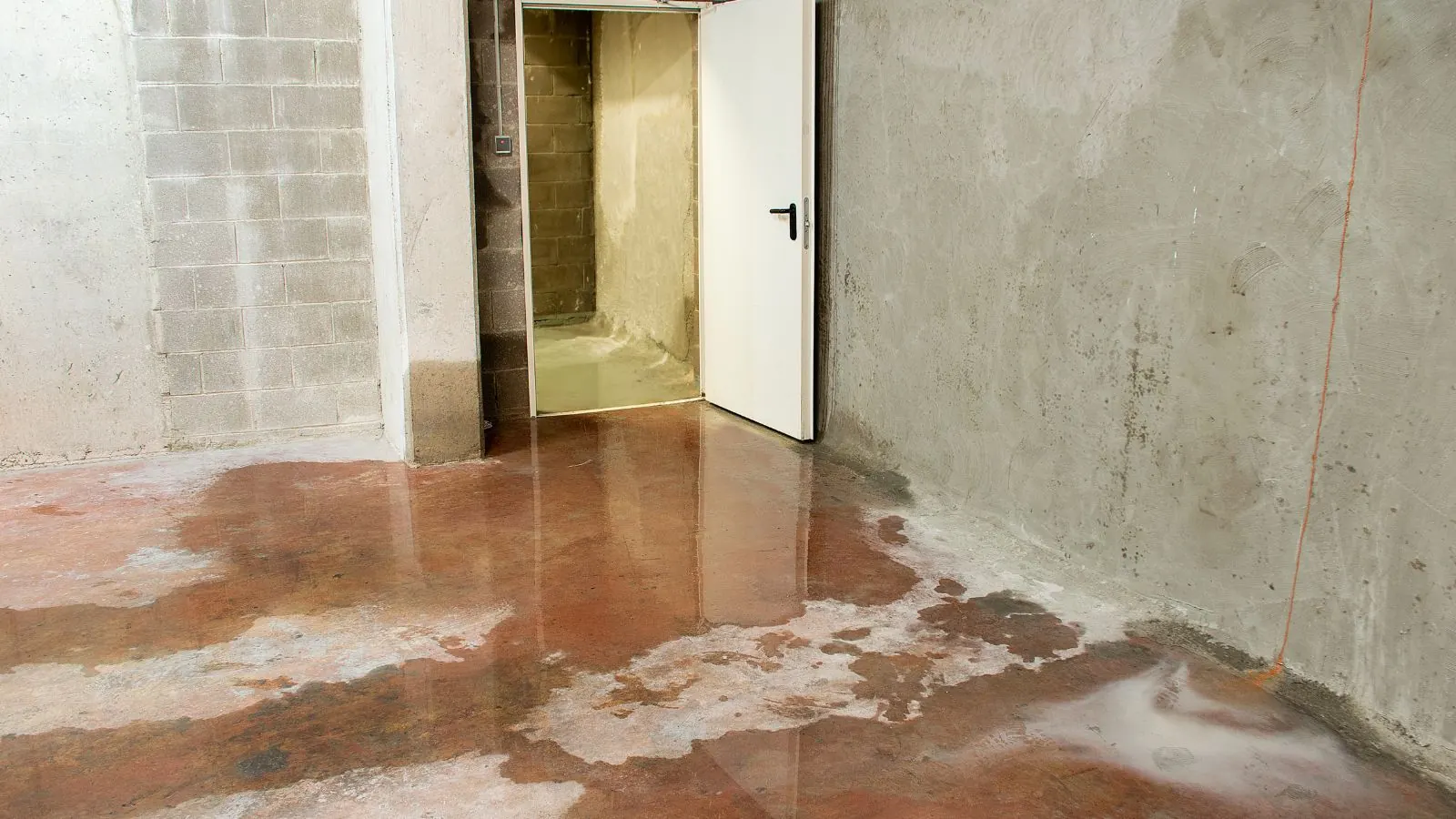
A commercial water loss in Dearborn Heights, MI is an emergency because inventory, equipment and access are at stake. Dispatch is open 24/7, including after closing and on weekends. If it is safe, shut off the water supply to the unit, cut power only from a dry panel, and move inventory and files above the water. Tell us if tenants, a landlord or a property manager need to be reached.
This page covers businesses and multi-unit properties: retail space, offices, restaurants, small industrial units and apartment buildings with shared systems. The approach is similar to a home, but the scale, access and documentation are different. Larger losses often need phased work so part of the building stays open.
Commercial losses we plan around
| Property type | Typical loss | Planning concern |
|---|---|---|
| Retail or storefront | Supply line, roof leak or sprinkler head | Keeping the sales floor open and safe |
| Office | Burst pipe above a ceiling, HVAC leak | Protecting files and electronics |
| Restaurant or food service | Dishwasher, grease trap or floor drain backup | Health compliance and sanitizing |
| Multi-unit residential | Water traveling between units | Several tenants and shared walls |
| Vacant building | Long-running leak found late | Larger affected area and documentation |
Telegraph Road is the main commercial corridor through Dearborn Heights, and nearby Garden City, Inkster and Redford have their own business districts. The same crew and 24/7 dispatch cover all of them. Every property is different, and we do not assume a layout from the address.
Water loss at a business? Call and give us the address and the type of building. Dispatch is open 24/7.
Call (833) 521-1033How a commercial response runs
- Dispatch call: building type, where the water is, who has access
- Stop the source if possible and make the area safe
- Extraction and moisture mapping across affected rooms
- Equipment placed to dry the structure and nearby units
- Written scope and photos for the owner, tenant and insurers
- Phased rebuild so other areas stay open
Water that reached a vacant property for a long time is treated as a larger loss, and documentation matters more. Very large leaks can lead a city to shut the water off at the property, which is worth asking about when you call. Equipment is used and placed as described in structural drying and dehumidification.
Commercial water and contaminated water
A broken supply line in an office is usually clean water, while a floor drain backup in a restaurant is not. Sewage and storm water are handled differently, as described in sewage backup cleanup and flood damage restoration. For a leak that began in a home above a business, see burst pipe water damage.
Working around a business
A business cannot always close for drying. The crew can plan the work in zones, keep access open where it is safe and move equipment at times that cause the least disruption. Tell dispatch about tenants, alarm systems and hours. If the building is leased, ask the owner who carries the insurance, because the lease usually says who files and who pays for what.
Commercial drying plans follow the ANSI/IICRC S500 standard for professional water damage restoration, scaled to the size of the space and the materials in it.
Safety checklist before the crew arrives
- Move people out of any area where water is near live electrical equipment
- Shut off the water supply to the affected line or unit
- Protect records and inventory by lifting them off the floor
- Tell dispatch about alarms, tenants and access hours
What affects the scope and price
Commercial scope guide
Factors only, not prices. Scope and price are explained before work starts.
Commercial policies differ widely from homeowners policies, including business interruption terms. Ask your insurer or broker, and keep photos, moisture logs and receipts. Want your real number? Call (833) 521-1033.
Commercial water damage questions
Do you handle commercial water damage emergencies at night or on weekends in Dearborn Heights?
Yes. Dispatch is available 24/7 by phone, and after-hours losses at businesses are handled the same way.
Can you work around business hours?
Often yes. We plan phases so part of the building stays in use when it is safe.
Do you work with property managers and landlords?
Yes. We document the loss and the scope so owners, tenants and insurers can all review it.
Is this for large industrial plants?
We assess each job on the call. Very large losses may need different arrangements, and we say so rather than overpromise.