
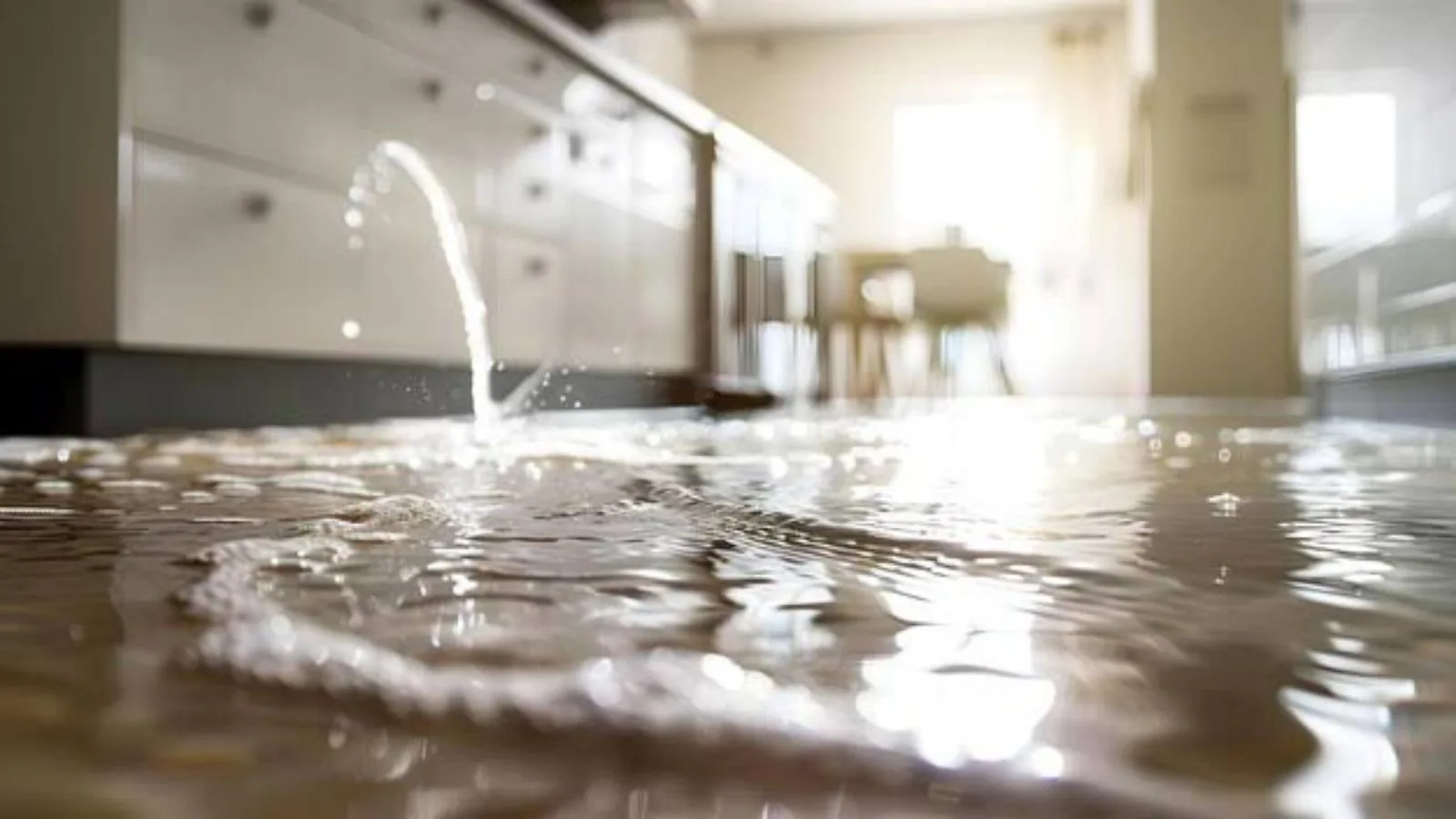
Plenty of people dry out a spill with towels and a fan and never have a problem. Others find a musty smell three weeks later. The difference comes down to how much water, what kind and whether it got into places you cannot see.
This guide helps you decide. If you are close to the line, calling is cheap compared with repairing mold or warped flooring.
You can likely handle it if
- The water was clean, from a supply line or sink
- Less than a few square feet is wet
- It is on a hard surface, such as tile or sealed vinyl
- You caught it within hours
- The source is fixed
- Nothing soaked into walls, carpet pad or cabinets
Call a pro if
- Water is more than an inch deep or covers a whole room
- It came from a drain, toilet or outside
- It has been wet for a day or more
- Carpet, pad or drywall is wet
- You smell mustiness
- You cannot find the source
- Anyone in the house is sensitive to mold
Not sure which side you are on? Call and tell us what you see. Dispatch is open 24/7.
Call (833) 521-1033What DIY drying involves
- Stop the sourceShut the valve and fix or isolate the leak.
- Remove the waterUse towels, a mop or a wet vacuum on clean water only.
- Lift belongingsMove furniture and items off wet surfaces.
- Move airRun fans across the floor and open windows if the weather is dry.
- Lower humidityRun a dehumidifier in a closed room.
- Check againLook at baseboards, carpet edges and walls over several days.
The weak point is the last step. Without a moisture meter you are guessing. A floor that feels dry can read wet inside, and wall cavities can stay damp for days.
What equipment adds
Professional equipment includes truck-mounted or portable extractors, high-volume air movers, low-grain dehumidifiers, moisture meters and thermal cameras. The point is speed and proof. Extraction removes far more water than towels, and dehumidifiers drop humidity faster than a household unit. Our structural drying page explains the setup.
Contaminated water is not a DIY job
If water came from a drain, toilet, creek or street, it can carry bacteria and viruses. Skip the shop vacuum and the bare hands. Keep children and pets out and call. Our sewage backup cleanup page explains the protective steps professionals use.
A middle path
Many people do the first hour themselves, which helps, and then call a pro for readings and drying. A visit to check moisture can confirm that a small event is truly finished. If everything reads dry, you have your answer and a record.
Mistakes people make when drying alone
- Running a fan on a wet carpet with the pad still underneath
- Opening windows on a humid day, which can add moisture
- Using heat on hardwood, which can crack boards
- Skipping the walls and baseboards, where water hides
- Stopping early because the surface feels dry
- Assuming that the smell will go away on its own
Most of these mistakes are about moisture that stays behind. The surface looks fine and the problem shows later as a smell, stain or cupped floor. A reading with a meter catches it.
How to decide quickly
Ask yourself three questions. Was the water clean? Is it more than a few square feet? Did it reach anything soft, such as carpet, drywall or insulation? A no to the first or a yes to either of the others is a reason to call. You can always start drying yourself while you wait for someone to answer, which helps either way.
If you do hire help, tell the crew what you already did. Knowing that you ran fans for two days, or that you pulled the baseboards, saves time and avoids repeating steps. Keep any towels or materials you removed until the crew has seen them, since they show how wet the area was.
A local note on wet ground and wet basements
Wayne County says the North Branch Ecorse Creek drainage district has clay soils, flat land and a low gradient that slow runoff. In July 2021 ClickOnDetroit reported many Inkster streets with six inches to a foot of water and about 400 muck kits handed out.
In events like that, a wet vacuum and fan will not handle a basement that holds several inches of water. Call early. Homeowners in Inkster and Garden City are in the same position when rain stalls over the area.
Insurance and DIY
If you may file a claim, photograph before you start, keep damaged items and save receipts for supplies. Doing the first steps yourself is usually fine and often expected. Want your real number? Call (833) 521-1033.
DIY or pro questions
Can I use a shop vacuum on water?
On a small clean spill, a wet vacuum made for it is fine. Do not use a household vacuum.
Will fans alone dry a wet carpet?
Rarely all the way. The pad stays wet, and humidity stays high without a dehumidifier.
How do I know the floor is dry?
A moisture meter is the reliable way. Touch and feel can miss moisture below the surface.
Is it expensive to ask a pro to check readings?
Ask when you call. We explain scope and price before work starts.