
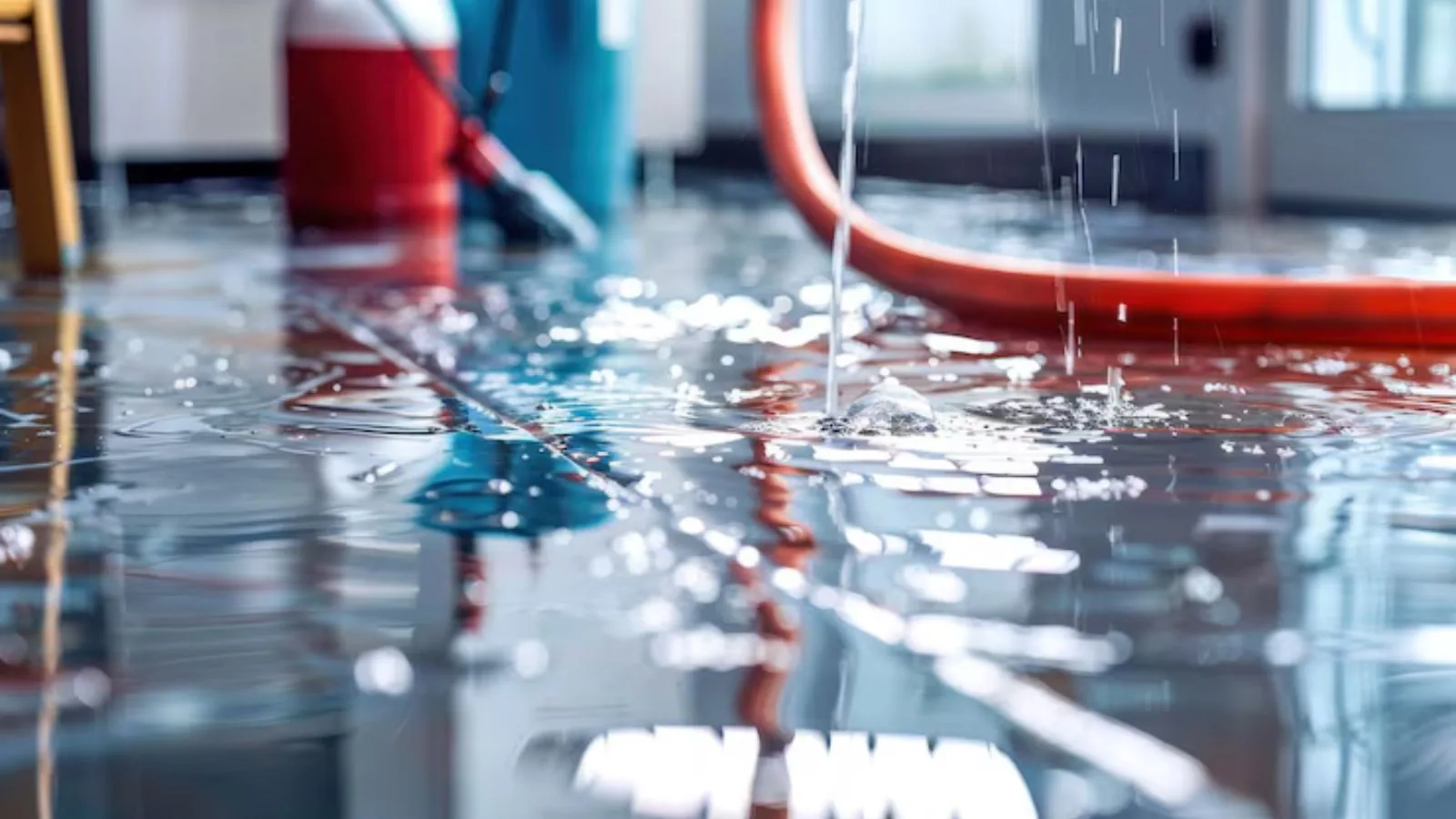
Homeowners expect a fan and a weekend to fix a wet room. In practice, drying a structure is a measured process that depends on materials and humidity, and a floor that feels dry can still read wet inside. This guide explains typical timelines and what stretches them.
We will not promise a number for your house, because readings decide it. We can explain the factors so the schedule makes sense.
A rough guide by material
| Material | Typical behavior | What affects time |
|---|---|---|
| Drywall | Surface dries first, core lags | Thickness, insulation behind it, airflow |
| Carpet and pad | Carpet dries faster than pad | Pad removal speeds drying |
| Hardwood | Slow, and must be dried gently | Species, finish, subfloor |
| Concrete slab | Slow, can take days to weeks | Thickness, moisture below, humidity |
| Framing lumber | Moderate | Wall cavity airflow |
The ANSI/IICRC S500 standard guides water damage restoration. It treats drying as a process of controlling water, air and humidity until materials reach a dry standard, not a fixed number of days.
What speeds drying
- Extracting standing water first, before fans run
- Removing wet pad, insulation and swollen drywall
- Opening wall cavities so air can move
- Running dehumidifiers to lower the humidity in the room
- Daily readings so equipment is moved to where it is needed
Water in the house and wondering about the schedule? Call and tell us what is wet. Dispatch is open 24/7.
Call (833) 521-1033What slows drying
High indoor humidity, cold rooms, thick materials and hidden moisture slow the process. Water trapped under flooring or in a slab can keep readings up even when the surface feels dry. If a source is still leaking, nothing dries.
How a crew knows it is done
Meters read moisture in the wet material and compare it to a reading in a similar dry area of the same house. When wet readings reach the dry reference range, equipment comes out. We log readings on each visit so the record shows the trend. The structural drying page describes the equipment, and hardwood floor repair shows why wood needs more time.
A realistic timeline
Day one is extraction and setup. Days two and three are active drying, with readings each visit. Days four and five are typically verification and equipment removal, if the structure is responding. Thick materials, concrete and hardwood can run longer, and a big loss can stretch to a week or more. A leak that is still active resets the clock.
These are patterns, not promises. A small clean-water event in one room can finish in two or three days, and a flooded basement can take much longer because the slab and framing hold water. Your readings decide the schedule, and a good crew tells you where things stand each day.
What you can do between visits
- Keep doors and windows closed so humidity from outside does not return
- Leave equipment running and do not unplug it to charge a phone
- Keep the thermostat steady
- Tell the crew if you smell mustiness or see new stains
- Move belongings away from wet areas so equipment can reach them
Signs the job is not finished
- A musty smell returns after equipment leaves
- Baseboards or paint begin to bubble
- Flooring cups or lifts weeks later
- A wall feels cool and damp to the touch
- Readings on the final visit were not shared with you
If any of these show up, call the company that did the work and ask for new readings. Moisture hidden behind a wall or under flooring is the usual cause, and it is far easier to deal with in the first weeks than after months of growth.
Seasons matter too. In a damp spring or a humid summer, outdoor air cannot help dry a room, so dehumidifiers do most of the work. In winter, heated indoor air is drier and drying can go faster, though a cold basement slab stays slow. A crew should tell you which of these conditions applies in your house.
A local note on wet ground and slow drying
Wayne County describes the North Branch Ecorse Creek drainage district as having clay soils, a flat landscape and a low gradient, which slow runoff. After long rain, the ground around a house can stay wet, and that moisture can keep basement air humid.
A damp basement dries more slowly than a dry one, so crews in the south end of the city often rely on dehumidifiers more than on fans. We explain more on the south Dearborn Heights page and the basement page. The same applies in Inkster and Garden City.
Why shortcuts backfire
Turning equipment off early leaves moisture in walls and floors. Weeks later you may smell mustiness or see stains. If a contractor tells you the job is done, ask to see the final readings. Want your real number? Call (833) 521-1033.
Drying time questions
How long should fans run after a leak?
Until readings say the materials are dry, which is often several days. Fans alone rarely do it without dehumidification.
Can I dry a basement myself?
A small clean-water event, yes. A big event or any contaminated water needs a professional.
Why does the crew come back each day?
To read moisture and move equipment, so drying is based on measurements.
Will drying make my electric bill higher?
Equipment uses power. We can explain how many units are running when you call.