
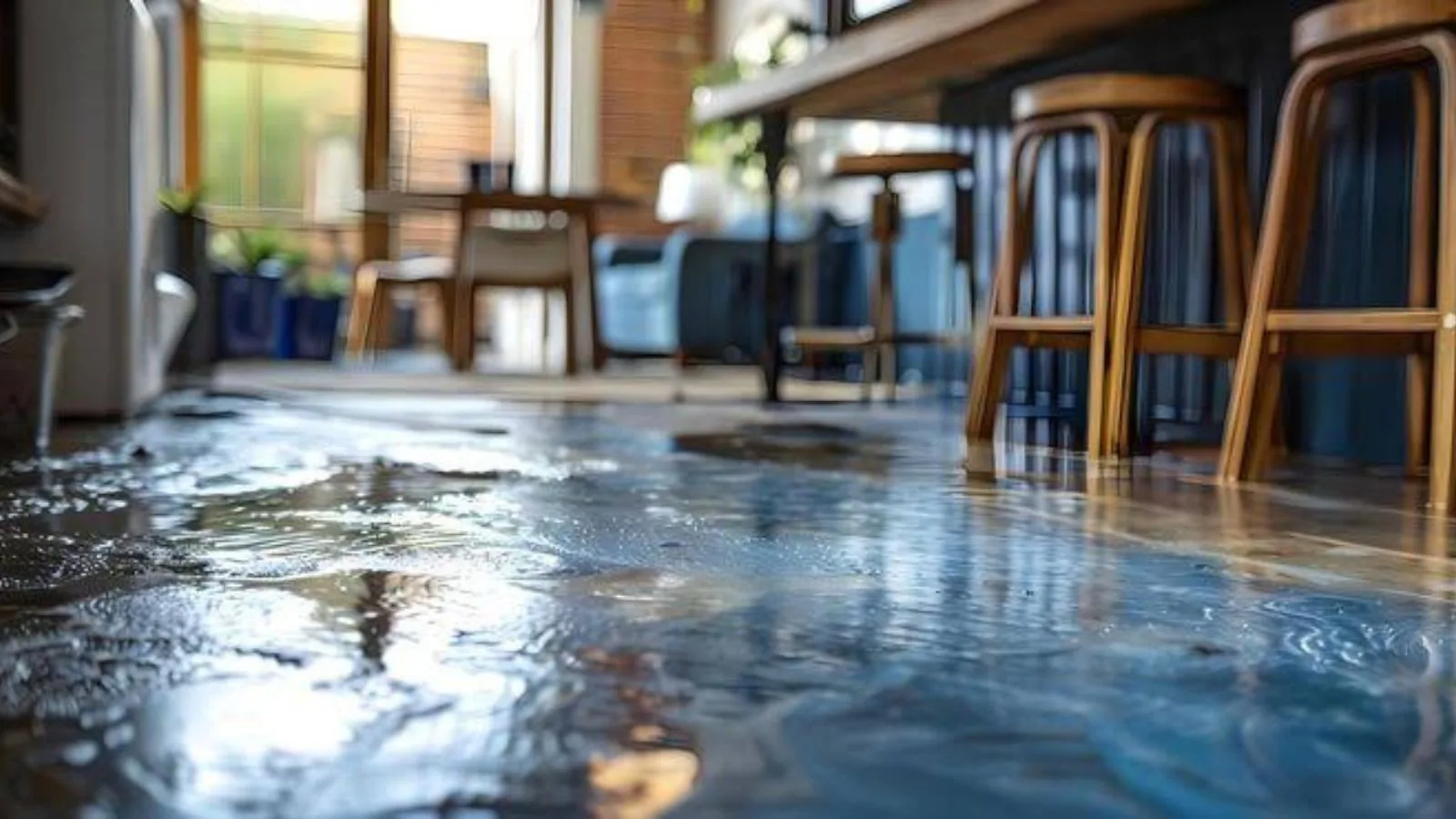
Phones, laptops, TVs and appliances are the items people mourn most after a leak. Sometimes they can be saved, and sometimes the damage is permanent. This guide covers safe handling and what to try.
Safety comes first. Water and electricity do not mix, and the item is replaceable while you are not.
Safety first
- If water is standing near outlets, do not enter until power is off
- If you must reach the panel and the floor is wet, call an electrician or your electric utility
- Unplug devices only if the cord is dry and you can reach it safely
- Never use a wet appliance
- Do not run a space heater or fan through a wet extension cord
If a basement has several inches of water and the panel is in the room, leave it alone and call for help. Our basement page explains the first steps for that situation.
Small devices
- Power offTurn off the device and remove the battery if you can.
- Unplug accessoriesRemove the charger, SIM and memory cards.
- Wipe the outsideUse a dry cloth, not a heater.
- Let it dryPlace it in a dry spot with airflow for at least a few days.
- Do not use riceIt does little and leaves dust.
- Have it checkedA repair shop can open and inspect the device.
Water in the house and electronics at risk? Call and tell us what you see. Dispatch is open 24/7.
Call (833) 521-1033Large electronics and appliances
| Item | Advice |
|---|---|
| TV or monitor | Unplug and do not turn on, have a technician check it |
| Computer or laptop | Power off and remove the battery, back up data through a repair shop |
| Refrigerator or freezer | If flood water reached the motor, call a technician before use |
| Washer or dryer | Do not run if water reached controls |
| Furnace or water heater | Do not turn on after flooding, call a licensed technician |
| Power strips and extension cords | Discard if they were in water |
Data and backup
Data may survive even if the device does not. Do not keep trying to power it on. A data recovery service can often get files off a drive that was wet, though it can be costly. If you keep backups in the cloud, the loss is the device alone.
Saltwater, sewage and flood water
Dirty water is worse for electronics than clean water because it carries minerals and contaminants that corrode contacts. Items that sat in flood water are usually not worth saving, except for data recovery. Discard devices that touched sewage, and treat them as contaminated.
Insurance and electronics
List each device with its model, approximate age and purchase price if you know it. Photograph the item and the label. Michigan DIFS advises keeping damaged items until your insurer says otherwise, which applies to electronics too. Ask your agent whether your policy pays replacement cost or depreciated value.
How long to wait before testing a device
If a small device got wet and you decide to try it again, wait at least several days in a dry room. Corrosion starts inside as soon as power is applied, so powering it on too early can finish what the water began. Many repair shops advise leaving it off and bringing it in.
Do not charge a wet phone or tablet, even if it looks dry. A short in the charging port can damage the battery and can be a fire risk. If you notice swelling, heat or a chemical smell from a battery, stop using it and take it to a proper recycling point.
What we do and do not handle
We dry and restore the structure. We do not repair electronics, and we do not do electrical work. If a panel, outlet or appliance was in water, a licensed electrician needs to check it before it is used. We can tell you where the water reached, which helps that person decide what to inspect.
After a flood, ask an electrician to test outlets and the panel before you restore power to wet areas. Flood water can corrode wiring and breakers in ways you cannot see. It is a small cost compared with a fire, and your insurer may ask for the inspection record.
A local note on water and power
The 2004 storm that raised the North Branch Ecorse Creek nearly six feet in about three hours, according to the Wayne County drain office, flooded more than 1,500 homes in Dearborn Heights. Many had furnaces, water heaters and panels in basements.
If your mechanical equipment sits in a basement, ask an electrician about raising or protecting it, and photograph the setup now. Homeowners in Inkster and Redford with basements should consider the same question.
Want your real number for drying after a loss? Call (833) 521-1033.
Electronics questions
Can I put a wet phone in rice?
It does little. Power it off, remove the case and battery if possible and let it dry in open air. Then have it checked.
Is it safe to turn off the main breaker when the basement is wet?
Only if the panel is dry and you can reach it without standing in water. Otherwise call your utility or an electrician.
Will my furnace work after flooding?
Do not run it. A licensed technician must inspect it first.
Can data be recovered from a flooded laptop?
Often yes, by a specialist. Stop trying to power it on.